Discover the World of Microtonal Music
Understanding Microtonal Music: A New Dimension of Sound
Explore the fascinating realm of microtonal music, where traditional boundaries are expanded and new auditory experiences await.

A Deep Dive into Microtonal Music
Microtonal music refers to the use of intervals smaller than the conventional semitones found in Western music. Unlike traditional music theory, which is based on a 12-tone equal temperament system, microtonal music explores the spaces between these tones, offering a richer and more varied sonic palette. This approach allows for the creation of new scales and tuning systems, providing composers and musicians with an expanded toolkit for expression.
Traditional Western music is built on a 12-tone system, where each octave is divided into 12 equal parts. Microtonal music, however, breaks free from this constraint, allowing for intervals that can be as small as a fraction of a semitone. This opens up a world of possibilities, enabling the creation of unique harmonies and melodies that are not possible within the confines of traditional music theory.
Expanding Musical Horizons
Unique Characteristics of Microtonal Music
Expanded Tonal Possibilities
Cultural Diversity
Innovative Compositions
Enhanced Expressiveness
Explore the World of Microtonal Music

def greet(name):
    """
    Greets the user with the given name.
    """
    print(f"Hello, {name}!")

def calculate_area(length, width):
    """
    Calculates the area of a rectangle.
    """
    area = length * width
    return area

def is_even(number):
    """
    Checks if a number is even.
    """
    if number % 2 == 0:
        return True
    else:
        return False

# Example usage
greet("Alice")
print("Area:", calculate_area(5, 3))
print("Is 4 even?", is_even(4))
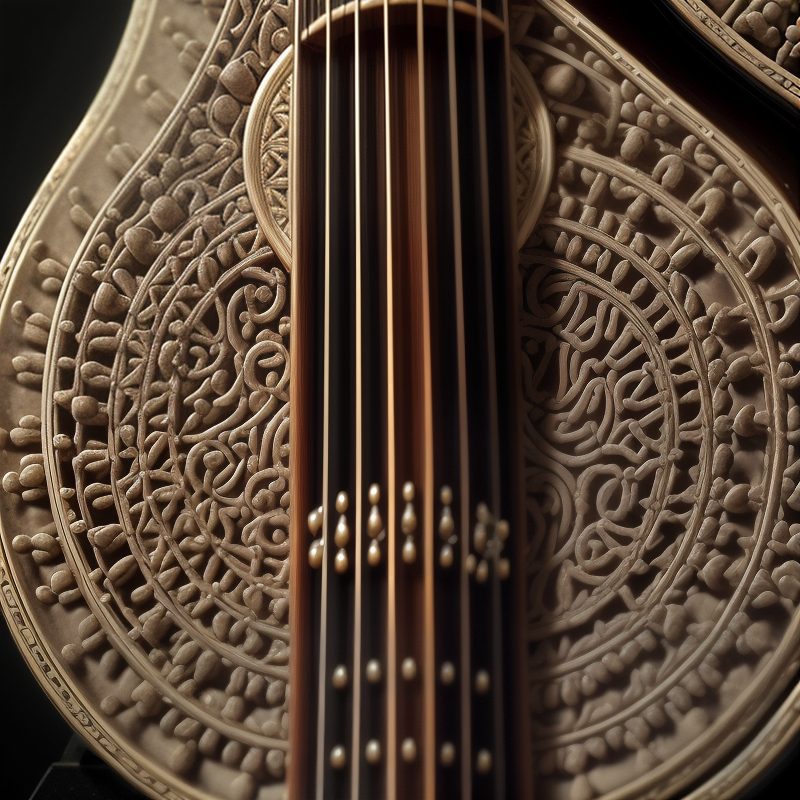
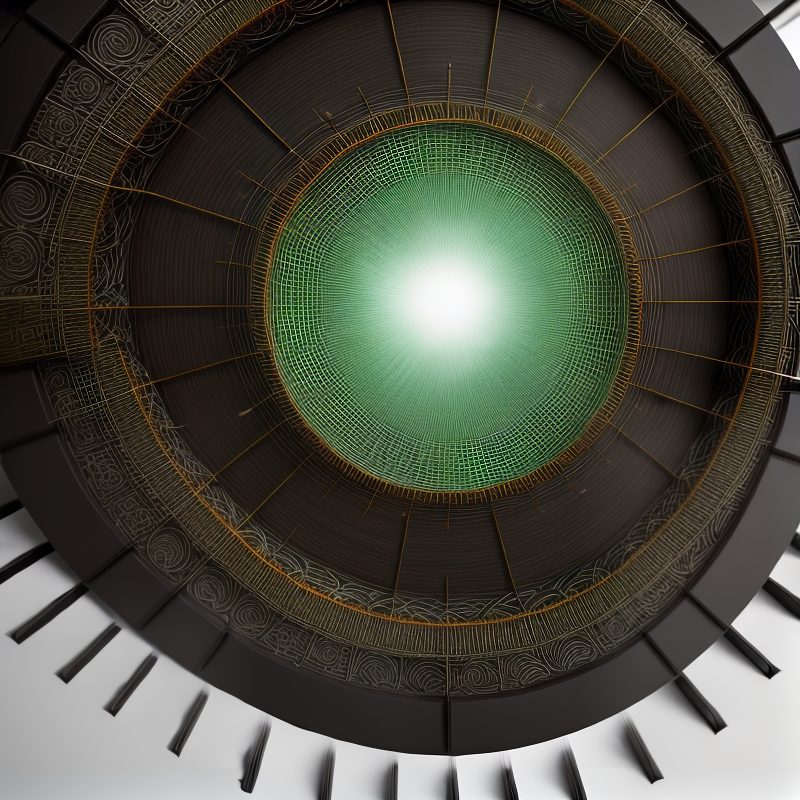
Microtonal Music Gallery




Understanding Microtonal Music
Microtonal music explores the spaces between the traditional notes of Western music, offering a rich and diverse sonic palette. Here we answer some common questions to help you understand this fascinating musical approach.
What is microtonal music?
Microtonal music refers to music that uses intervals smaller than the traditional semitones of Western music. These intervals can create unique and unfamiliar harmonies and melodies.
What are the historical origins of microtonal music?
Microtonal music has roots in various cultures around the world, including ancient Greek, Indian, and Persian music. It has also been explored by modern Western composers such as Harry Partch and Julián Carrillo.
What are some common microtonal tuning systems?
Common microtonal tuning systems include quarter tones, eighth tones, and just intonation. Each system divides the octave into different numbers of pitches, offering a variety of sonic possibilities.
How can musicians start experimenting with microtonal music?
Musicians can start by exploring microtonal instruments, software, and educational resources. Many digital audio workstations (DAWs) and synthesizers support microtonal tuning, making it accessible for modern composers and performers.